
Doctors for the Future
Region
Lomé/Kara, Togo
START OF THE PROJECT
December 2025
PROJECT DURATION
Ongoing
PROJECT STATUS
Launched
Beneficiaries
Medical students and community
Project Objective
Medical scholarships
Total Cost
Depending on the training pathway
SUPPORTED BY
Private donor
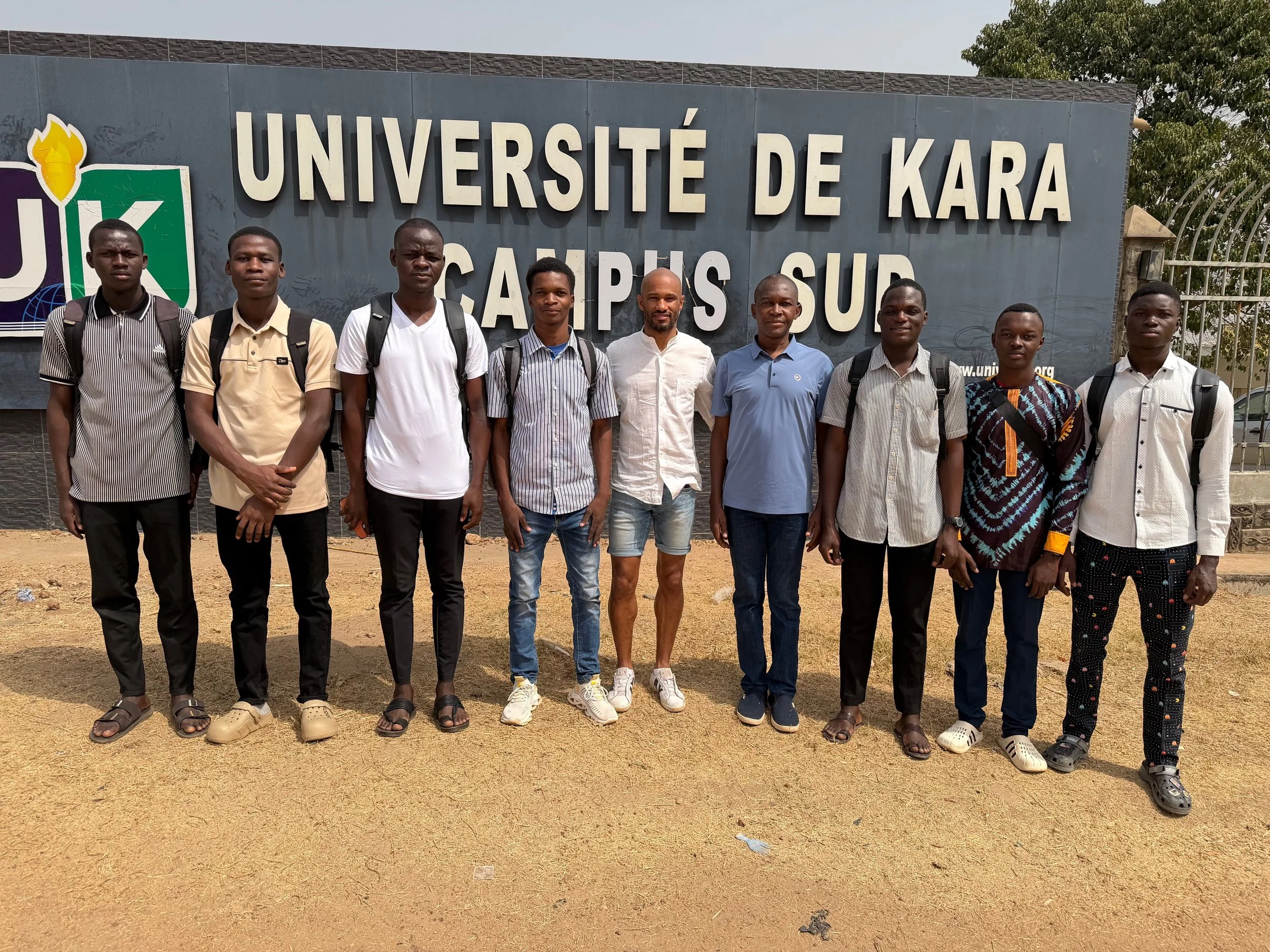
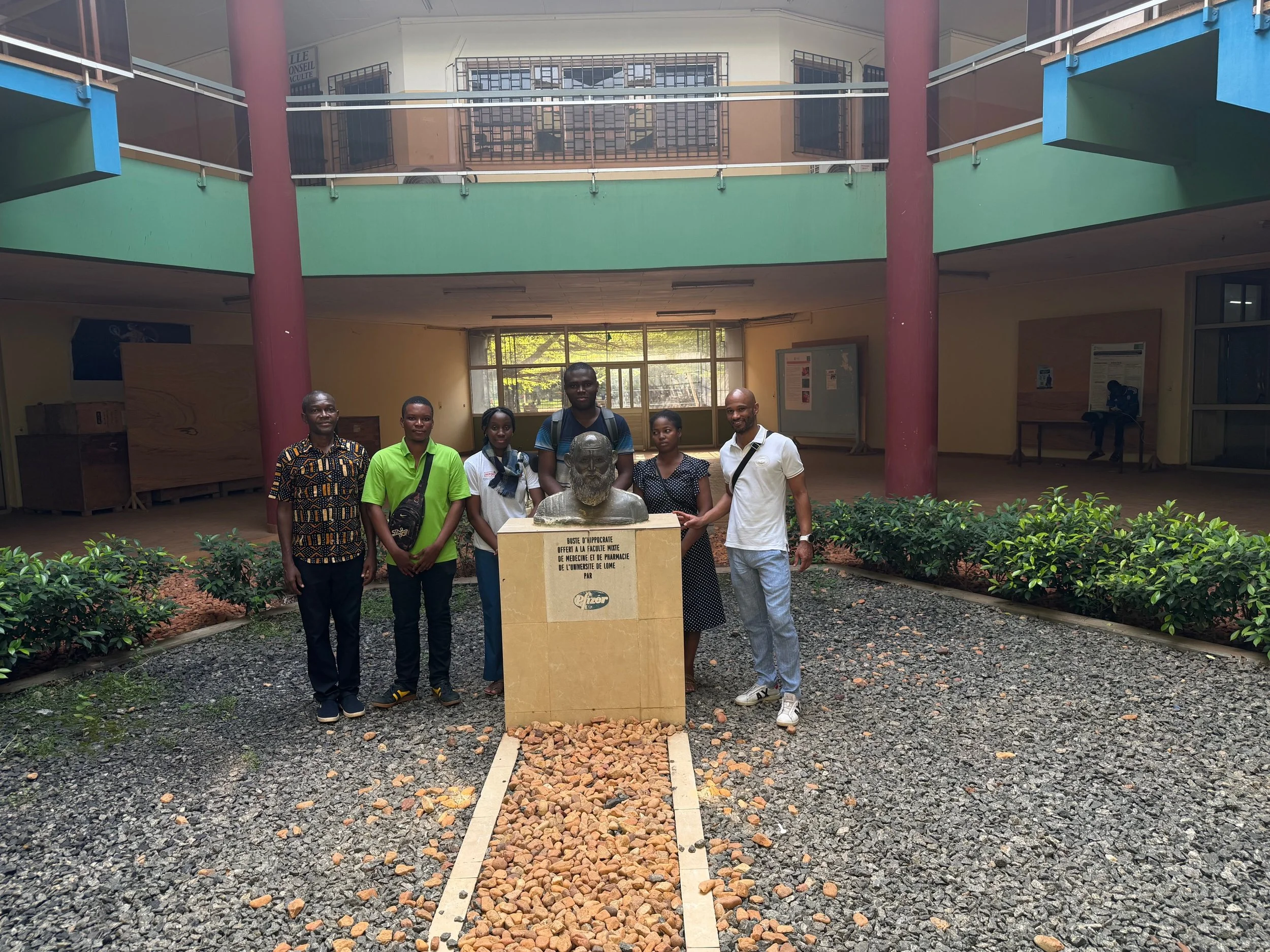
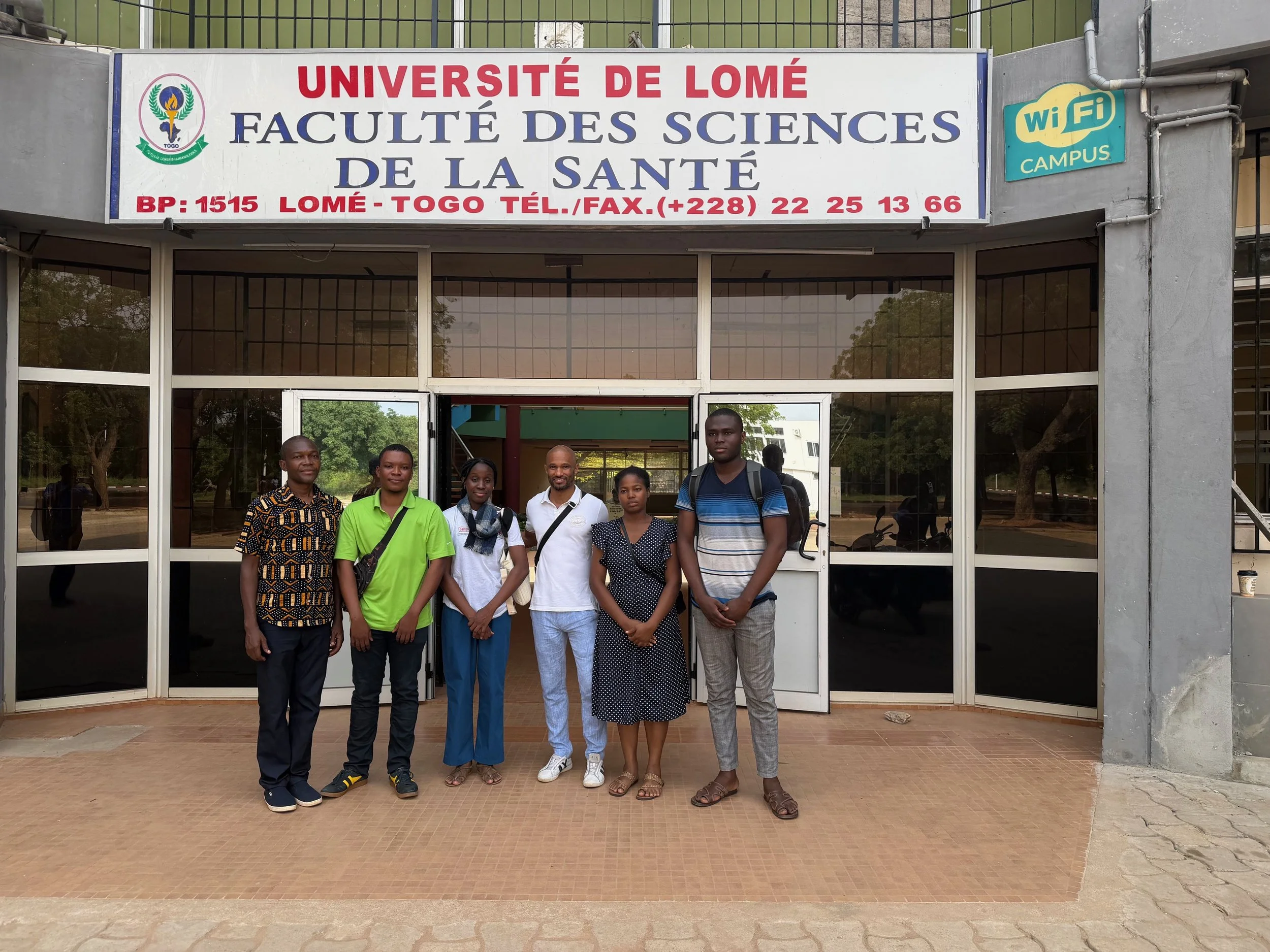
The selected students are distributed between the two national university centers:
Faculté des Sciences de la Santé (FSS) de Lomé
Faculté des Sciences de la Santé (FSS) de Kara
Project origins
Togo has public universities and medical faculties recognized for the quality of their academic training and for their commitment to preparing qualified healthcare professionals. Medical education in the country represents a strategic resource for the development of the national healthcare system and for improving the population’s health conditions.
However, the socio-economic context makes access to, and above all the continuity of, university studies particularly challenging. Togo is classified among low-income countries, with an annual GDP per capita of around USD 1,000–1,100 and a significant share of the population living in conditions of poverty or economic vulnerability. According to recent international estimates, over 40% of the population lives below the poverty line and more than 60% in rural areas characterized by limited access to essential services.
In this context, even when tuition fees are relatively affordable, the indirect costs associated with medical education — accommodation, food, transportation, educational materials, and study tools — often represent an unsustainable burden for many families. It is not uncommon for talented and motivated students to be forced to interrupt their studies at advanced stages for economic reasons, resulting in the loss of valuable skills for the national healthcare system.
At the same time, the availability of medical personnel remains limited compared to the needs of the population. Recent estimates indicate fewer than 1 doctor per 10,000 inhabitants, a level significantly below internationally recommended standards (in Switzerland, more than 4 doctors per 1,000 inhabitants).
In a country with over 9 million inhabitants and sustained demographic growth, the training of new doctors is therefore a strategic priority for strengthening the healthcare system and improving public health indicators.
The project aligns with the United Nations Sustainable Development Goals of the 2030 Agenda, in particular:
SDG 3 – Good Health and Well-being, through strengthening the healthcare workforce and access to care;
SDG 4 – Quality Education, by promoting equitable access to higher education and continuity of studies;
SDG 10 – Reduced Inequalities, by supporting students from vulnerable socio-economic backgrounds;
SDG 17 – Partnerships for the Goals, through collaboration between private actors, local communities, and civil society.
The project was therefore created with the aim of ensuring access to and continuity of university medical studies for capable and motivated students facing severe economic and social hardship, thereby contributing concretely to the training of new doctors serving the population and to the progressive strengthening of the Togolese healthcare system.
Project Description
The project provides for the allocation of scholarships exclusively to medical students from the public universities of Lomé and Kara.
The financial support is intended to cover the main expenses related to the university pathway and daily living costs, allowing beneficiary students to fully dedicate themselves to their studies and complete their academic program.
The pilot phase, launched in December 2025, supports two groups of students already enrolled and at risk of dropping out: 7 students at the Faculty of Health Sciences (FSS) in Kara and 5 students at the Faculty of Health Sciences (FSS) in Lomé.
The beneficiaries are between the fourth and seventh year of study, a stage in which financial and logistical needs become particularly significant and decisive for continuing the academic path.
The selection was carried out based on merit and need, through field assessments, home visits, and evaluations shared between the local coordinator and the association.
The project is promoted by the Humanitarian Association IF and locally coordinated by Dr. Djore Torouka Mayipo Gaston, PhD in Sociology, local representative and direct project manager in Togo, responsible for identifying beneficiaries, monitoring academic progress, and overseeing operational coordination.
Over time, the project aims to enable an increasing number of new doctors each year to access and complete their training, contributing concretely to strengthening the national healthcare system and increasing the availability of qualified medical personnel in the country.
Expected and reached results
The project is currently in its pilot phase and supports an initial group of 12 medical students. The expected outcomes include:
reduction of the risk of university dropout due to economic reasons
completion of the study program by the supported students
training of new qualified doctors who will practice in Togo
support for situations of high social vulnerability
strengthening of local healthcare capacities
Upon completion of their studies, the trained doctors will remain an integral part of the project. Scholarship beneficiaries commit to dedicating at least 10% of their professional activity, on a voluntary basis, to actions of public interest, including:
providing medical care to people in vulnerable conditions
health prevention and awareness programs
contributions to the optimization of local health policies
participation in health and social initiatives for the benefit of the population
This approach creates a virtuous cycle in which the support received is transformed into value returned to the community, contributing over time to strengthening the healthcare system and fostering the country’s social development.